Quarrying & Lime production around Harpur Hill
1773 The road from Ladmanlow (Ladmans Low) to Brierlow, known as “Lime Road,” was turnpiked.
1789 A survey recorded “about” 8 kilns at Grinlow each with 5 hands burning 120 horse loads
per day. Buxton was one of the main areas for lime in the country.
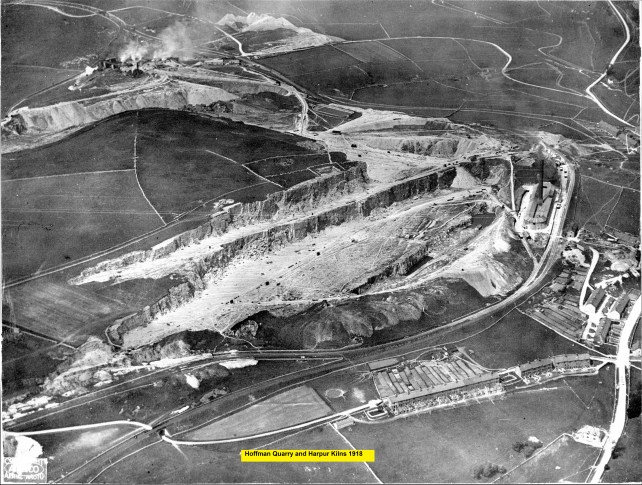
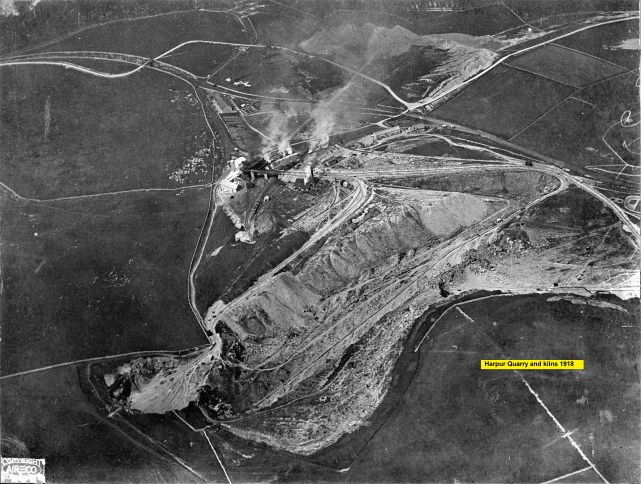
1835 First kilns at Harpur Hill.
1860 Cromford and High Peak Rail made a bid to take over limestone quarries
at Grin Low and Harpur Hill.
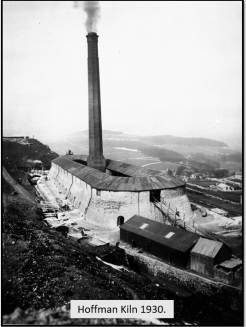
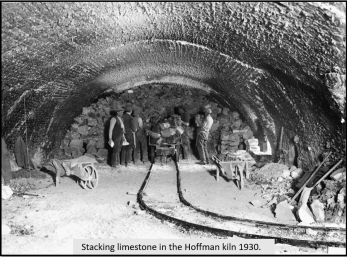
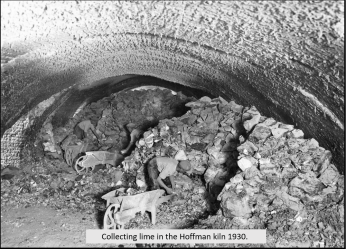
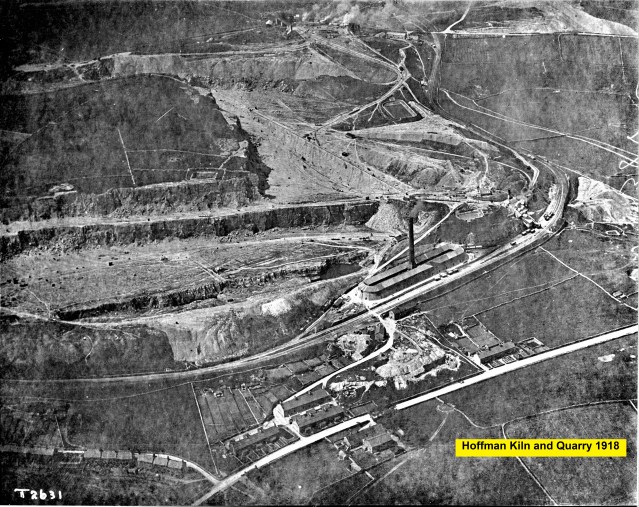
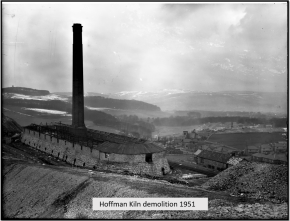
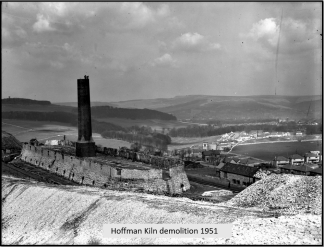
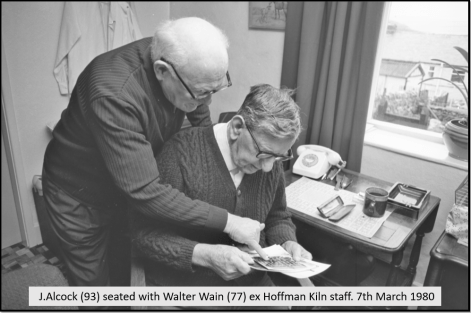
1872 Hoffman Kiln commissioned at Harpur Hill.
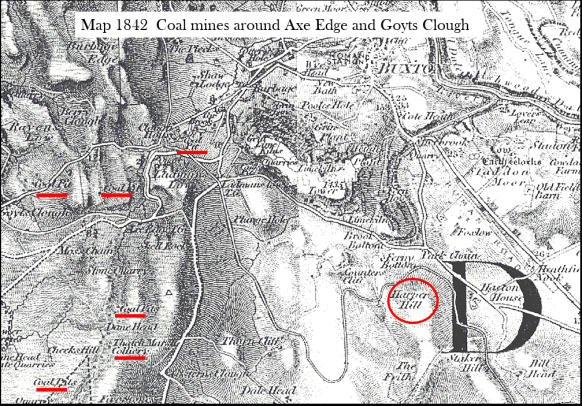
1882 Statistics compiled by HM Inspectors of Mines show that Goyt Colliery and Thatch
Marsh Colliery were owned by Buxton Lime Co.
1891 Consolidation of 13 local lime firms to create Buxton Lime Firms Co. Ltd.
1926 Brunner Mond, chemical company in Chesire, owned a controlling share in BLF which was
merged with four other companies to become Imperial Chemical Industries.


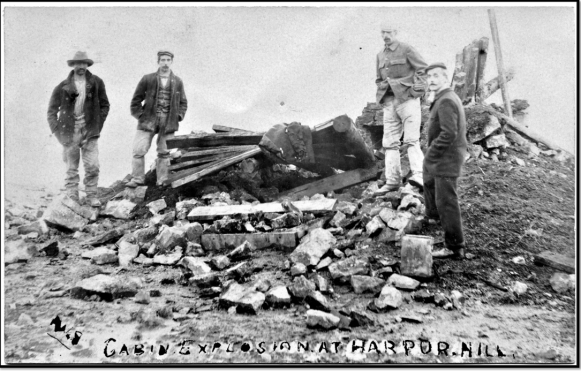
“The supposition is that being after the breakfast hour, Moss was smoking and a spark fell amongst the powder”
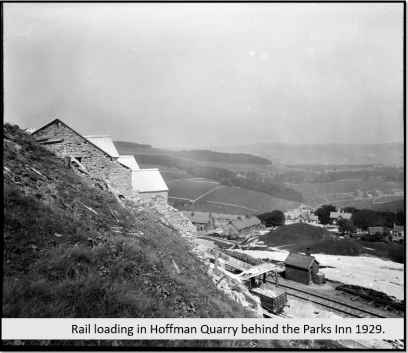
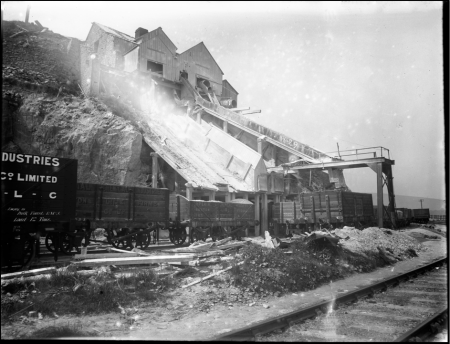
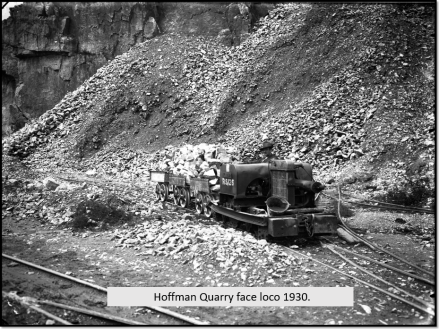
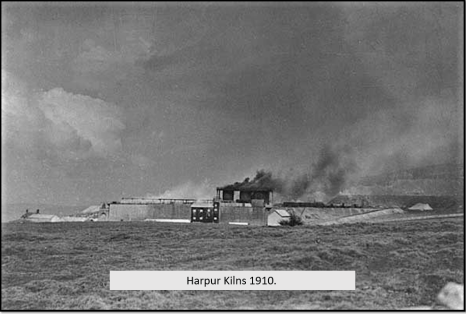
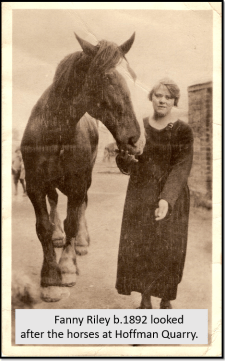
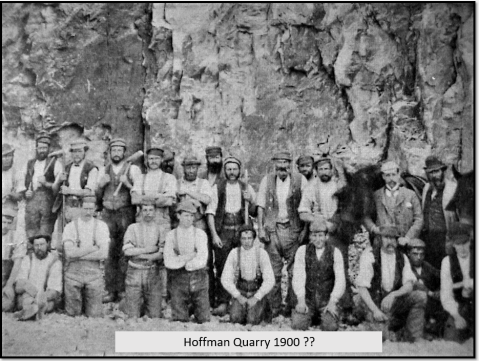
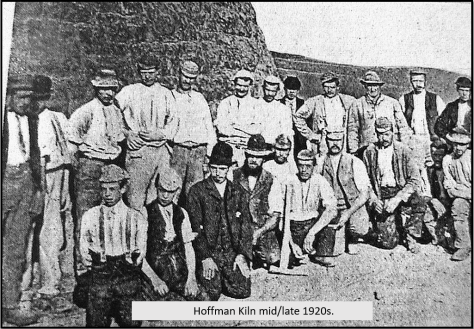
Many of the men in the photo below are named on the “People” page.


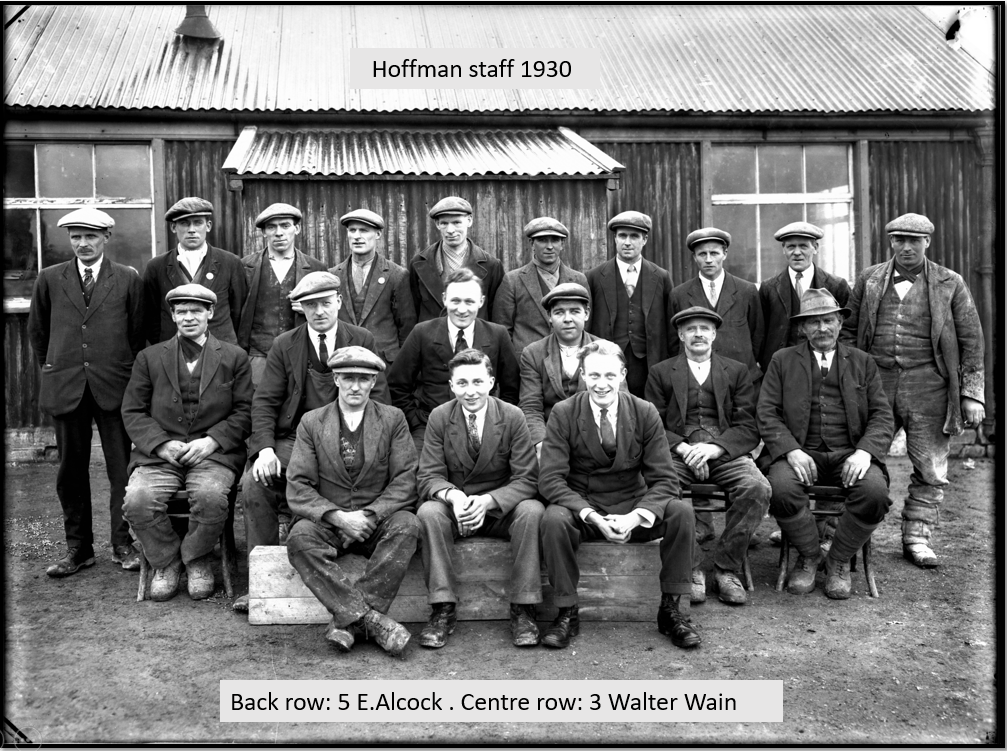
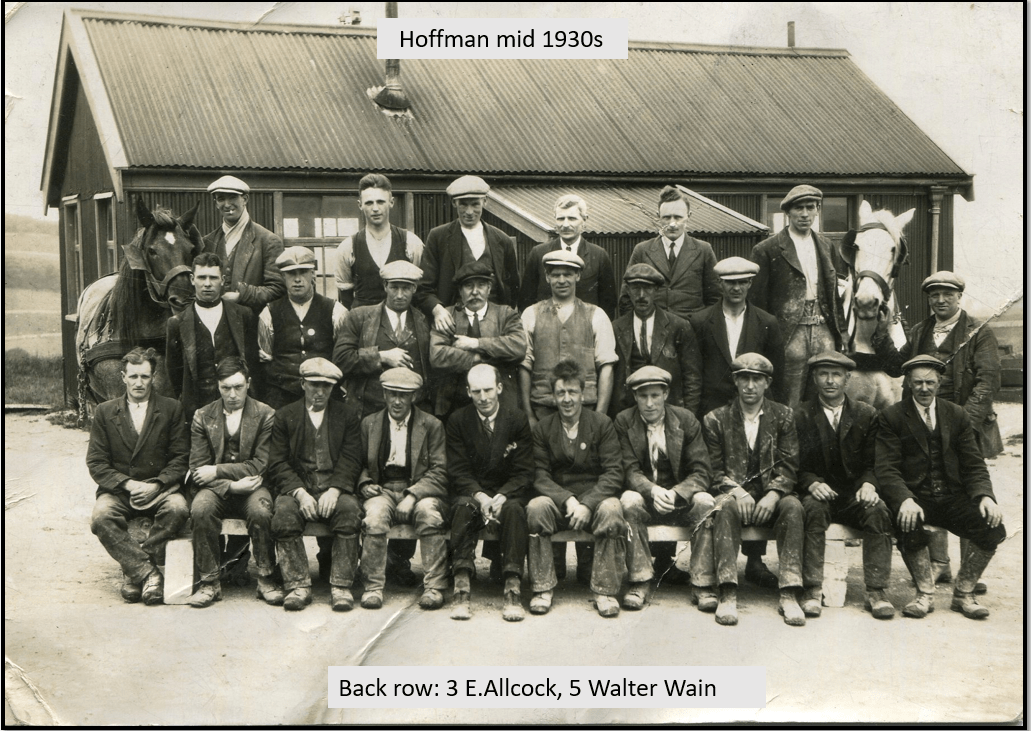


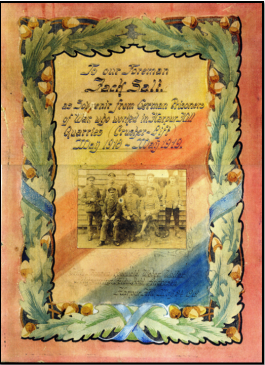
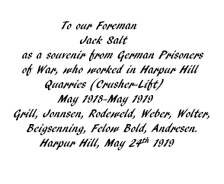

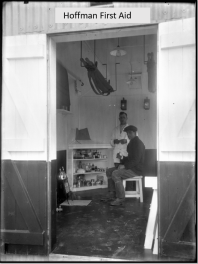
The end of an era

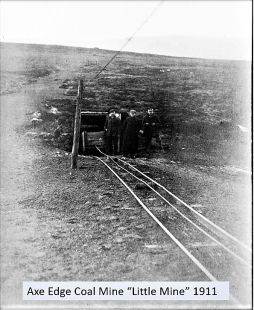
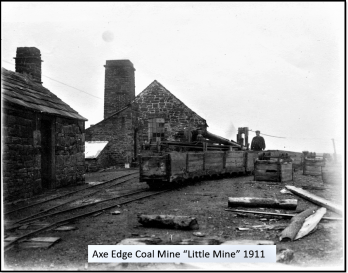
Coal Mining around Axe Edge
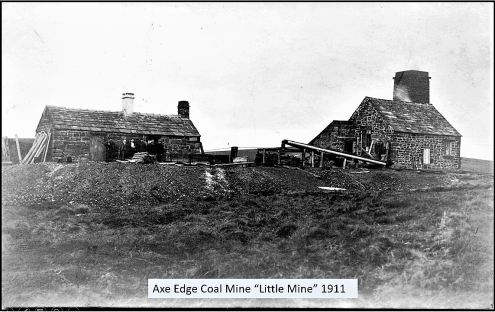
Activity from 1600 to 1919 with busiest period 1780-1810.
Before rail links the mines played a significant part in the development around Buxton
of lime production, also used for smelting lead ore at mines in Hartington, Taddington,
Monyash and Chelmorton as well as domestic use.
Early transport by packhorses over rough tracks and later turnpikes.
In 1780 Duke of Devonshire leased the coal rights of Goyt Moss to Robert Longdon of Countess Cliff farm in return for supplies of lime.
In 1886 Axe Edge Colliery was owned by Buxton Lime Co.
1893 Goyt Mine abandoned “area above water level worked out”
In 1950s during national overproduction of coal Grinlow Quarry ceased working and coal was stored in the quarry (1 million tons) and removed during 60s.

Thj
 Harpur Hill the Early Years